
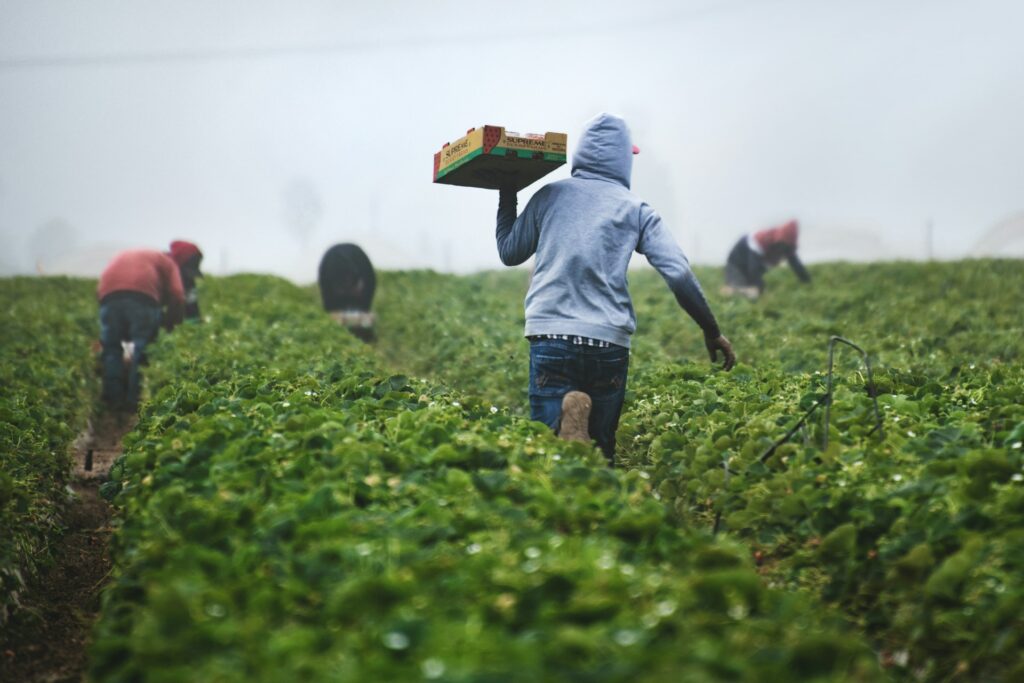
As the world grapples with the challenges of a growing population and climate change, smart agriculture is emerging as a transformative approach to ensuring food security and sustainable farming. Wireless communication technologies are at the heart of this revolution, enabling precision agriculture, efficient resource management, and data-driven decision-making. This article explores how advancements in wireless communication are shaping the future of smart agriculture and the potential benefits and challenges associated with these innovations.
1. Precision Agriculture: Optimizing Farm Management
Precision agriculture leverages wireless communication to optimize farming practices and enhance productivity:
- IoT Sensors and Devices: Wireless sensors deployed across fields collect real-time data on soil moisture, temperature, and nutrient levels. This data is transmitted to central systems, where it is analyzed to provide insights into crop conditions and soil health. Farmers can use this information to make informed decisions about irrigation, fertilization, and pest control.
- Drones and Aerial Imaging: Drones equipped with cameras and sensors use wireless communication to capture high-resolution images and data from the air. These images help monitor crop health, assess field conditions, and detect issues such as pest infestations or nutrient deficiencies. The ability to analyze this data from a bird’s-eye view enables targeted interventions and more effective management practices.
- Automated Machinery: Wireless communication facilitates the automation of agricultural machinery, such as tractors and harvesters. These machines can be remotely controlled and programmed to perform tasks with high precision, reducing the need for manual labor and improving efficiency. Automation also allows for more consistent application of inputs, leading to better crop yields.
2. Resource Management: Enhancing Efficiency and Sustainability
Efficient resource management is a key goal of smart agriculture, and wireless communication plays a crucial role in achieving it:
- Smart Irrigation Systems: Wireless sensors and weather data are used to control irrigation systems based on real-time soil moisture levels and weather forecasts. This precision reduces water waste and ensures that crops receive the right amount of water, contributing to more sustainable water use.
- Energy Management: Wireless communication helps manage energy consumption on farms by monitoring and controlling energy use in real-time. For example, solar-powered irrigation systems and energy-efficient lighting can be managed remotely, optimizing energy use and reducing costs.
- Supply Chain Optimization: Wireless communication enables better tracking and management of agricultural products throughout the supply chain. RFID tags and GPS tracking provide real-time information on the location and condition of produce, improving logistics and reducing losses during transportation.
3. Data-Driven Decision-Making: Leveraging Big Data
The integration of wireless communication with data analytics is transforming decision-making in agriculture:
- Farm Management Systems: Centralized farm management systems use data from various wireless sources to provide a comprehensive view of farm operations. These systems integrate data from sensors, drones, and machinery to offer insights into crop performance, resource usage, and operational efficiency.
- Predictive Analytics: Advanced analytics and machine learning algorithms analyze historical and real-time data to predict trends and potential issues. For example, predictive models can forecast pest outbreaks or disease spread, allowing farmers to take preventive measures before problems arise.
- Decision Support Tools: Wireless communication supports decision support tools that provide actionable recommendations based on data analysis. These tools can suggest optimal planting schedules, fertilization rates, and harvesting times, helping farmers make data-driven decisions that enhance productivity and profitability.
4. Connectivity and Remote Management: Overcoming Barriers
Reliable wireless connectivity is essential for the successful implementation of smart agriculture:
- Remote Areas and Rural Connectivity: Many farms are located in remote or rural areas with limited connectivity. Advances in wireless communication, such as satellite and long-range IoT networks, are helping bridge the connectivity gap and enable smart agriculture practices in these areas.
- Challenges of Data Security: As agriculture becomes more data-driven, ensuring the security and privacy of sensitive information is crucial. Implementing robust cybersecurity measures and data encryption protocols helps protect farm data from unauthorized access and cyber threats.
- Integration with Existing Systems: Integrating new wireless technologies with existing agricultural systems and practices can be challenging. Effective integration requires careful planning and coordination to ensure compatibility and maximize the benefits of smart agriculture solutions.
5. Future Trends and Innovations
The future of smart agriculture will be shaped by continued advancements in wireless communication and related technologies:
- 5G and Beyond: The rollout of 5G networks promises to enhance the capabilities of smart agriculture with faster data transfer speeds, lower latency, and improved connectivity. This will enable more sophisticated applications, such as real-time monitoring of autonomous machinery and enhanced drone operations.
- Artificial Intelligence (AI): AI and machine learning will play a growing role in smart agriculture, providing more accurate predictions, automated decision-making, and advanced data analytics. AI-driven systems will further enhance precision and efficiency in farming practices.
- Sustainable Practices: The focus on sustainability will drive innovations in wireless communication technologies that support environmentally friendly farming practices. Advances in energy-efficient sensors, sustainable irrigation systems, and eco-friendly automation will contribute to more sustainable agricultural practices.
Conclusion
Wireless communication is revolutionizing the agricultural sector by enabling smart agriculture practices that enhance productivity, efficiency, and sustainability. From precision farming and resource management to data-driven decision-making and connectivity, advancements in wireless technology are transforming how farmers operate and manage their resources. As technology continues to evolve, the future of smart agriculture holds exciting possibilities for optimizing food production and addressing the challenges of a growing and changing world.
