
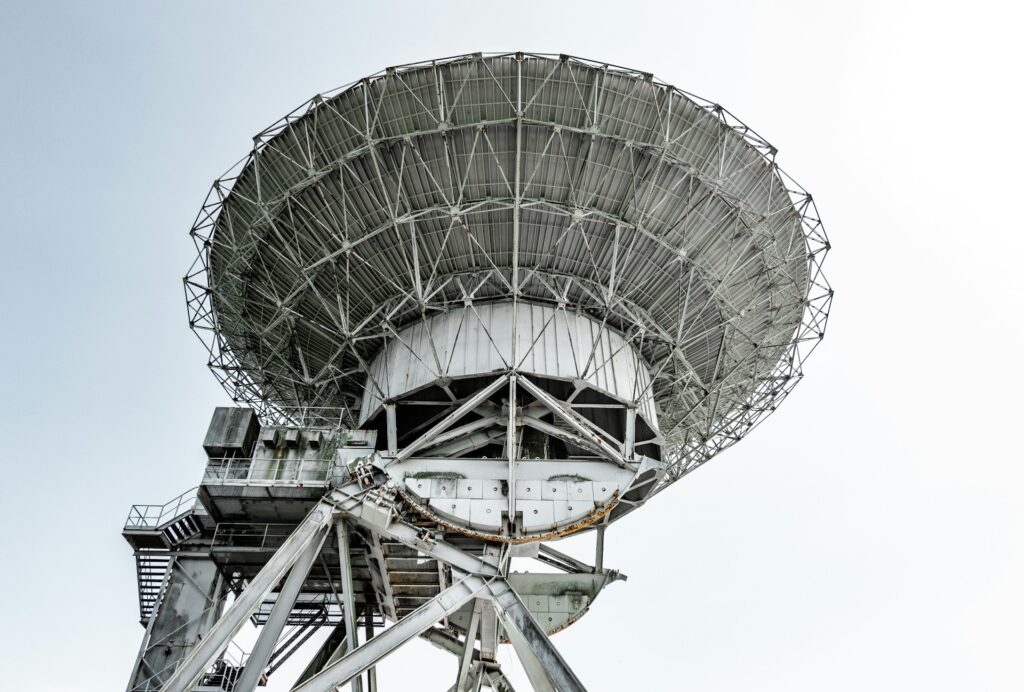
In the rapidly evolving world of wireless communication, radio frequency (RF) engineering stands as a pivotal discipline, bridging the gap between analogue and digital technologies. This article explores the role of RF engineering in shaping modern wireless systems, highlighting its integration with both analogue and digital domains to drive innovations and enhance connectivity.
1. The Essentials of RF Engineering
RF engineering focuses on the design, analysis, and application of RF systems that operate over a wide range of frequencies. It encompasses the creation of components and systems that transmit and receive radio waves, essential for modern communication technologies:
- RF Components: Key RF components include antennas, transmitters, receivers, and amplifiers. These components must be carefully designed to handle specific frequency ranges and performance requirements. RF engineers optimize these components for factors such as power output, frequency response, and signal clarity.
- Signal Propagation: RF engineers study how signals propagate through different environments, from free space to complex urban landscapes. Understanding signal behavior is crucial for designing systems that ensure reliable communication, minimizing interference, and optimizing coverage.
- Frequency Management: Effective frequency management is critical in preventing signal interference and maximizing the efficiency of wireless systems. RF engineers employ techniques such as frequency division multiplexing (FDM) and dynamic spectrum allocation to manage and utilize the available spectrum effectively.
2. Integrating Analogue and Digital Technologies
The integration of analogue and digital technologies with RF engineering is central to the development of modern wireless systems:
- Analogue-RF Synergy: Analogue engineering contributes to RF systems by focusing on signal amplification and modulation. Innovations in analogue circuits, such as low-noise amplifiers (LNAs) and mixers, enhance the performance of RF systems by improving signal clarity and reducing noise.
- Digital-RF Integration: Digital engineering complements RF systems by providing advanced signal processing capabilities. Digital signal processing (DSP) techniques, such as digital filtering and modulation, are used to encode, decode, and process signals. This integration allows for improved data rates, error correction, and overall system efficiency.
- RF Front-End Systems: The RF front-end of a communication system includes both analogue and digital components. RF engineers design front-end systems that integrate analogue RF components with digital processing units, ensuring optimal performance for applications like cellular networks and satellite communications.
3. Advancements in Wireless Technologies
Recent advancements in wireless technologies highlight the crucial role of RF engineering in integrating analogue and digital systems:
- 5G Networks: The rollout of 5G networks exemplifies the integration of analogue, digital, and RF engineering. RF engineers design high-frequency components and antennas to support the high data rates and low latency of 5G. Digital engineers develop advanced algorithms for signal processing and management, while analogue engineers work on optimizing RF amplification and signal modulation.
- Internet of Things (IoT): IoT devices require efficient communication between a vast number of interconnected sensors and actuators. RF engineers design compact and low-power RF modules, while digital engineers implement protocols and algorithms for data communication and processing. The synergy between analogue and digital systems ensures reliable and scalable IoT networks.
- Satellite Communication: Modern satellite systems rely on advanced RF engineering to manage high-frequency signals and maintain reliable communication links. Analogue engineers focus on improving satellite transponders and ground station equipment, while digital engineers enhance data processing and error correction. RF engineers optimize antennas and frequency management to ensure global connectivity.
4. Emerging Trends and Future Directions
The future of wireless communication is poised to be shaped by several emerging trends that build on the integration of analogue, digital, and RF engineering:
- Millimeter-Wave (mmWave) Technology: The use of millimeter-wave frequencies in 5G and beyond presents new challenges and opportunities. RF engineers are developing advanced mmWave components and systems to support high-speed data transmission and enhanced connectivity. Digital engineers are working on algorithms to manage mmWave signal processing and mitigate interference.
- Terahertz (THz) Communication: Terahertz communication technology holds promise for ultra-high-speed data transfer. RF engineers are exploring THz frequency components, while digital engineers develop processing techniques to handle the vast amounts of data. This technology could revolutionize wireless communication with unprecedented data rates.
- Quantum Communication: Quantum communication represents a new frontier in secure communication. RF engineers and digital engineers are working together to integrate quantum principles with existing communication systems. Advances in quantum key distribution (QKD) and quantum entanglement could lead to new levels of security and privacy in wireless communication.
- Sustainable Wireless Systems: There is a growing emphasis on developing energy-efficient and environmentally friendly wireless technologies. Engineers are focusing on creating low-power RF components, optimizing digital processing for energy efficiency, and implementing sustainable design practices to minimize the environmental impact of wireless systems.
Conclusion
RF engineering plays a crucial role in bridging the gap between analogue and digital technologies, driving advancements in modern wireless systems. By integrating analogue signal processing with digital algorithms and optimizing RF components, RF engineers enable the development of efficient, high-performance communication systems. As technology continues to evolve, the synergy between analogue, digital, and RF engineering will remain central to shaping the future of wireless communication, ensuring connectivity and innovation in an increasingly digital world.
